
The Follower Living Labs
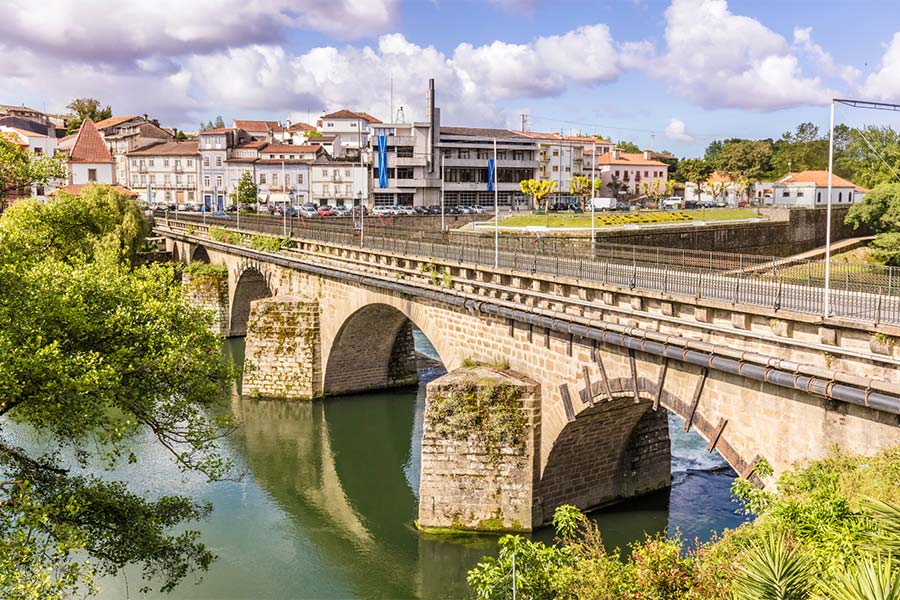
Quadrilatero (Portugal)

Partners


Use Case:
Simulation of CCAM impact on traffic flow and potential congestion in urban and peri-urban areas
The LL Quadrilateral will carry out simulations that analyse the environmental and demographic impact of traffic flow and congestion. The data gathered include information about historical travel itineraries samples for simulation, road infrastructure data, public transport and schedules for multimodal integration, etcetera..
Objectives
- Optimise urban space and loads and reduce empty miles through dynamic routing by simulating different deployment scenarios for CCAM vehicles.
- Increase the quality and liveability of urban and metropolitan areas by reducing congestion, air and noise pollution via the impact assessment of diverse mobility scenarios.
- Provide usable digital tools for municipalities for urban planning and traffic management.
- Provide valuable data (for city management) to several decision-makers, from city councils to transportation operators.

See other Living Labs

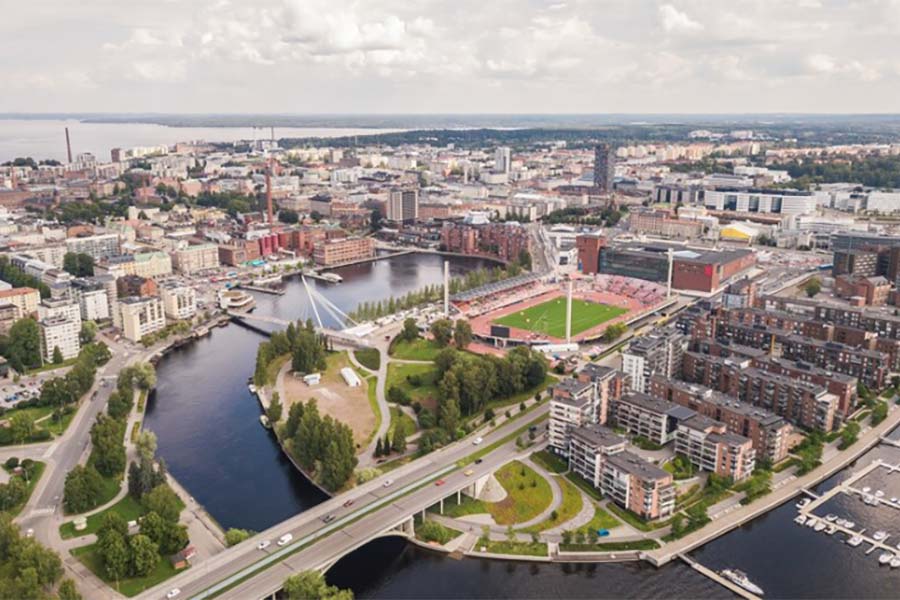
Tampere (Finland)
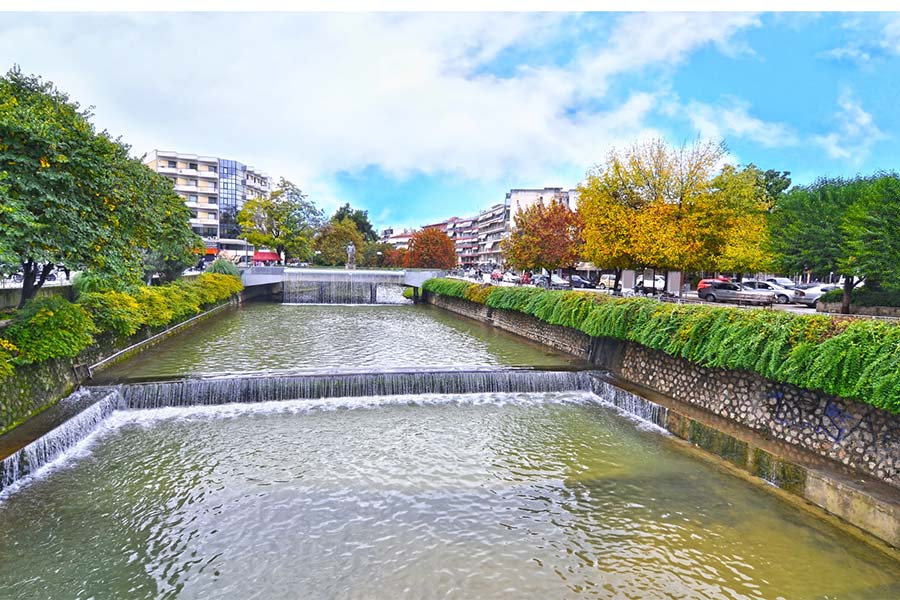
Trikala (Greece)

Turin (Italy)

Vigo (Spain)
See also follower Living Labs

Bari (Italy)